Every job starts with a scope review against your valve’s data sheet, followed by the actual test sequence. Our procedures are built around API 598 valve testing requirements for shell, seat, and backseat testing, and around API 576 pressure relief valve inspection procedures where PRVs or PSVs are involved. Where a client’s specification references it, we also test to the ISO 4126 valve testing standard, which governs safety valve performance for European-aligned equipment.
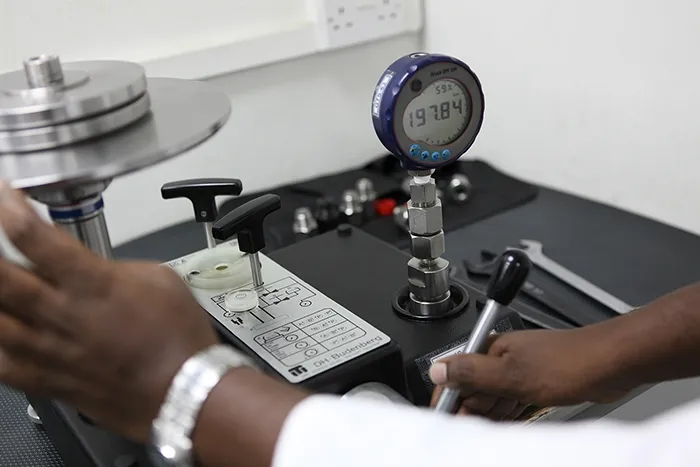
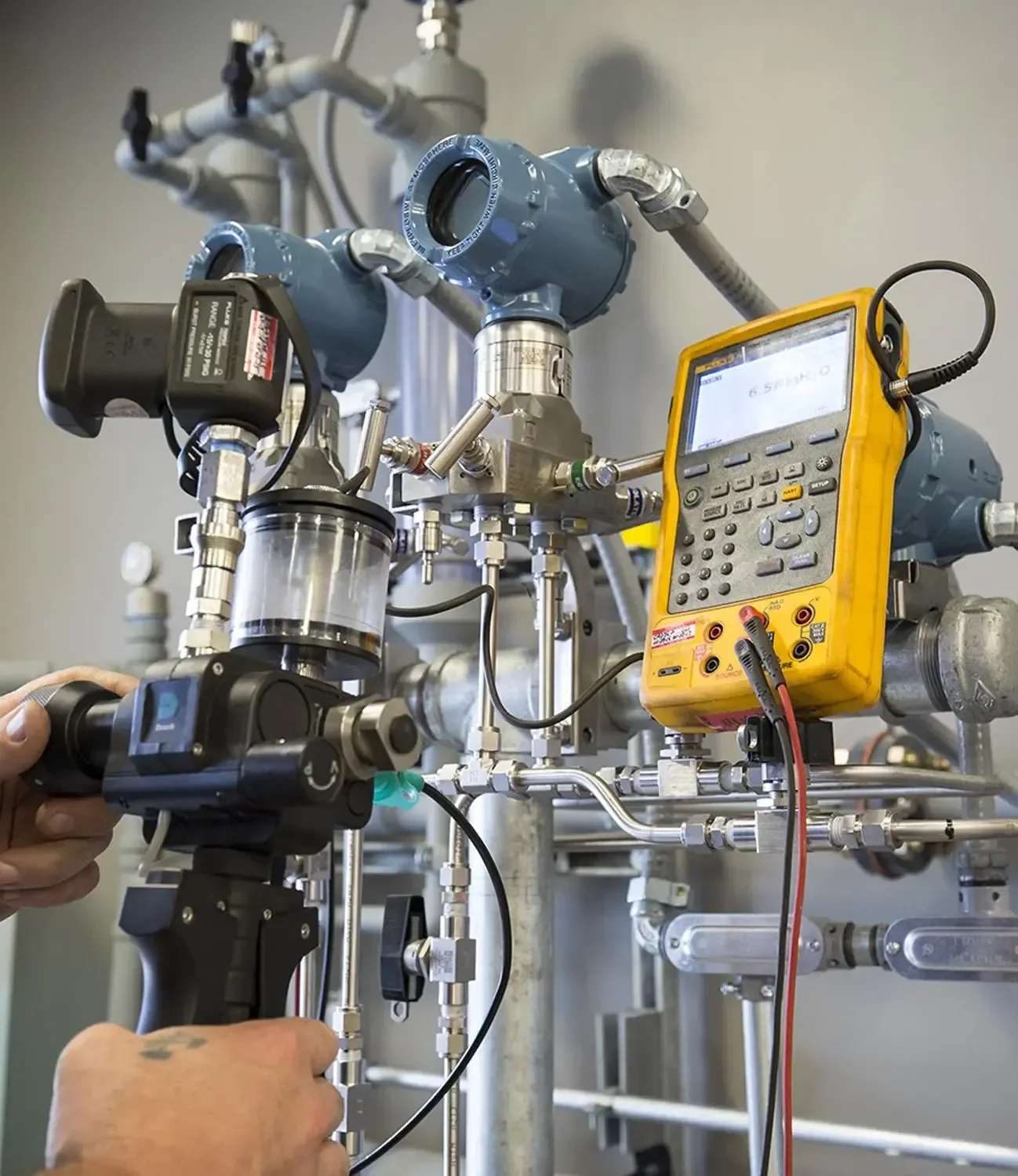
Depending on the valve and media, we run hydrostatic valve pressure testing using water, or pneumatic valve testing services using air or nitrogen where a dry test is required. Both paths include a full valve leak testing services sequence: a shell test to confirm body strength, typically held for 60 seconds on liquid media or 30 seconds on gas; a valve seat leakage testing step measured either by bubble count or pressure decay; and a valve shell testing pass at 1.5 times the valve’s rated pressure. Where applicable, we finish with valve closure testing to confirm the valve seals fully at both its minimum and maximum rated pressure. Every step is logged in real time, so nothing is filled in after the fact. This documented, standards-first approach is why plants across Saudi Arabia return to us for repeat Valve Testing Services Saudi Arabia contracts rather than one-off jobs.